
Fitness & Exercise

The Importance of Physical Activity
Regular exercise is a key component of a healthy lifestyle. It improves cardiovascular health, strengthens muscles, enhances flexibility, and supports mental well-being. Whether you aim to lose weight, build strength, or maintain overall health, incorporating consistent physical activity into your routine can significantly enhance your quality of life.
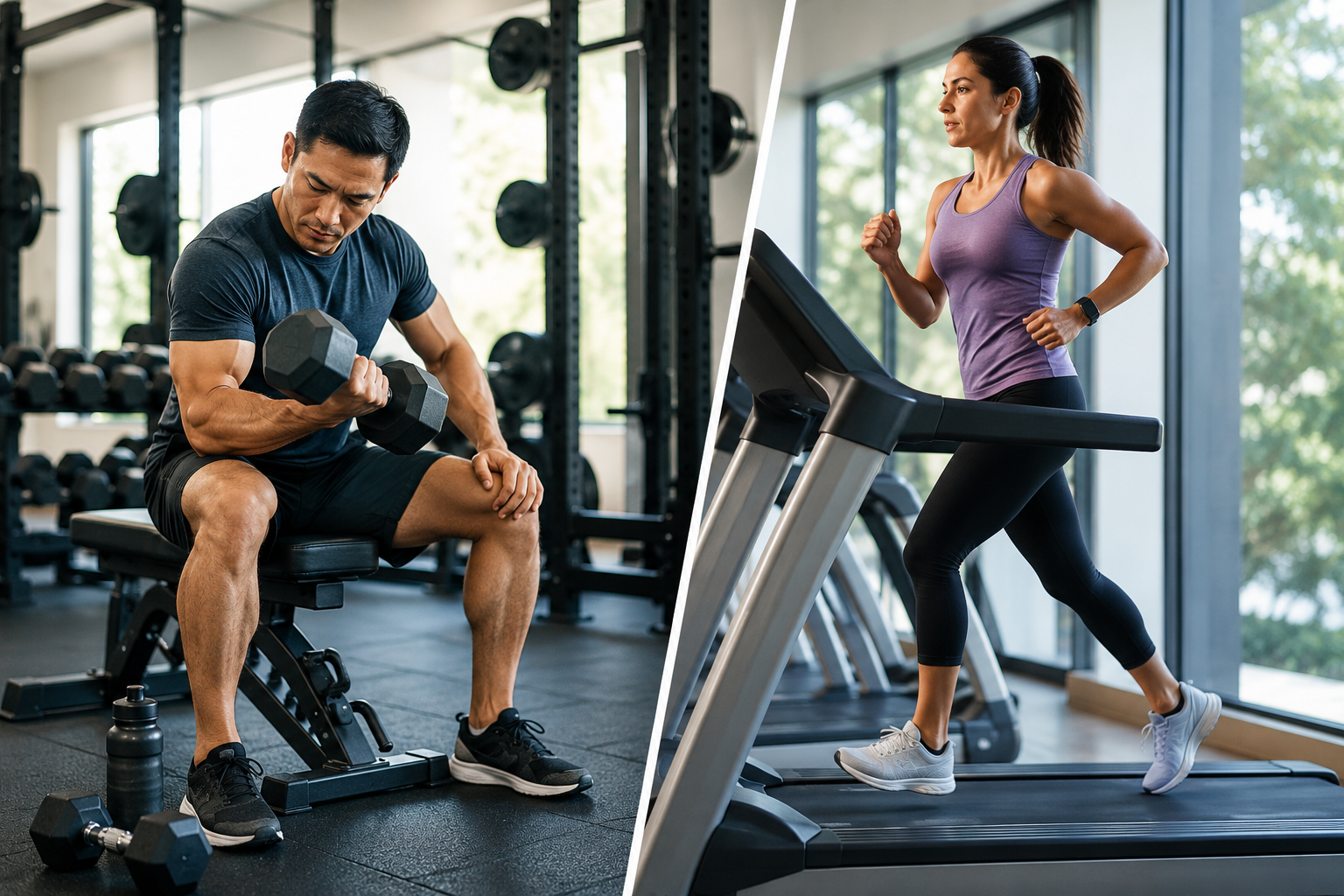
Strength Training vs. Cardio
Both strength training and cardiovascular exercise play crucial roles in fitness:
- Strength Training: Involves weight lifting, resistance exercises, and bodyweight movements. Benefits include increased muscle mass, improved metabolism, and stronger bones.
- Cardiovascular Exercise: Activities like running, cycling, swimming, and brisk walking improve heart health, endurance, and calorie burning.
- Balanced Approach: Combining both types of exercise leads to optimal fitness, as cardio enhances heart health while strength training builds muscle and prevents injury.
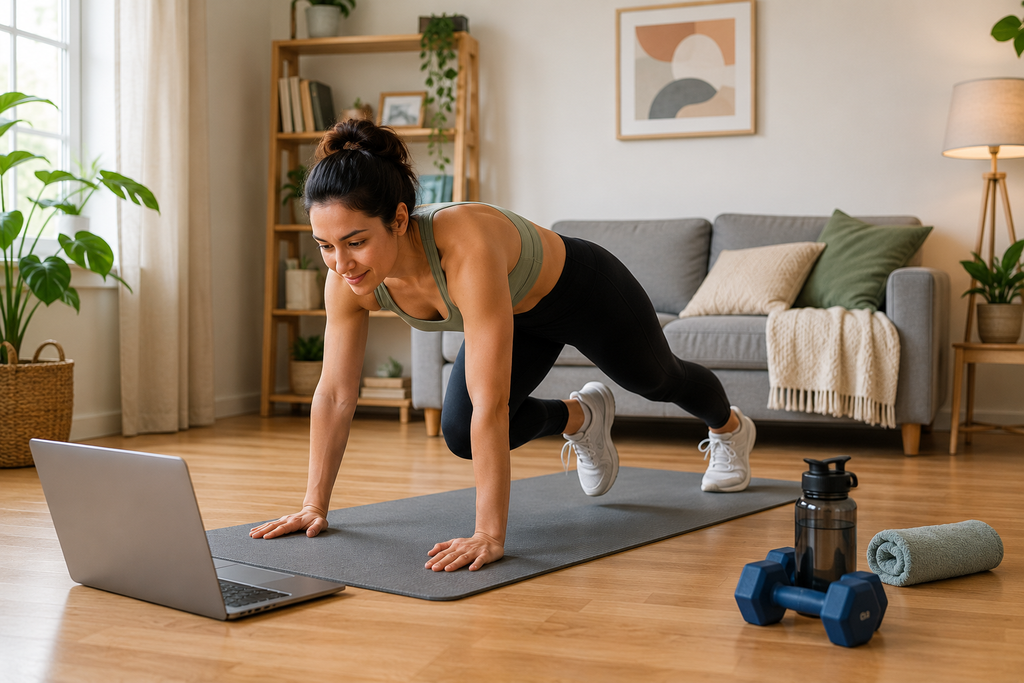
Home Workouts for All Levels
Working out at home is a convenient and effective way to stay fit. Here are exercises for different fitness levels:
- Beginner: Bodyweight squats, knee push-ups, step-ups, and light stretching.
- Intermediate: Dumbbell exercises, jump squats, plank variations, and lunges.
- Advanced: High-intensity interval training (HIIT), resistance band workouts, pull-ups, and advanced yoga poses.
- No Equipment? No Problem! Exercises like burpees, jumping jacks, and core workouts require no equipment and can be done anywhere.
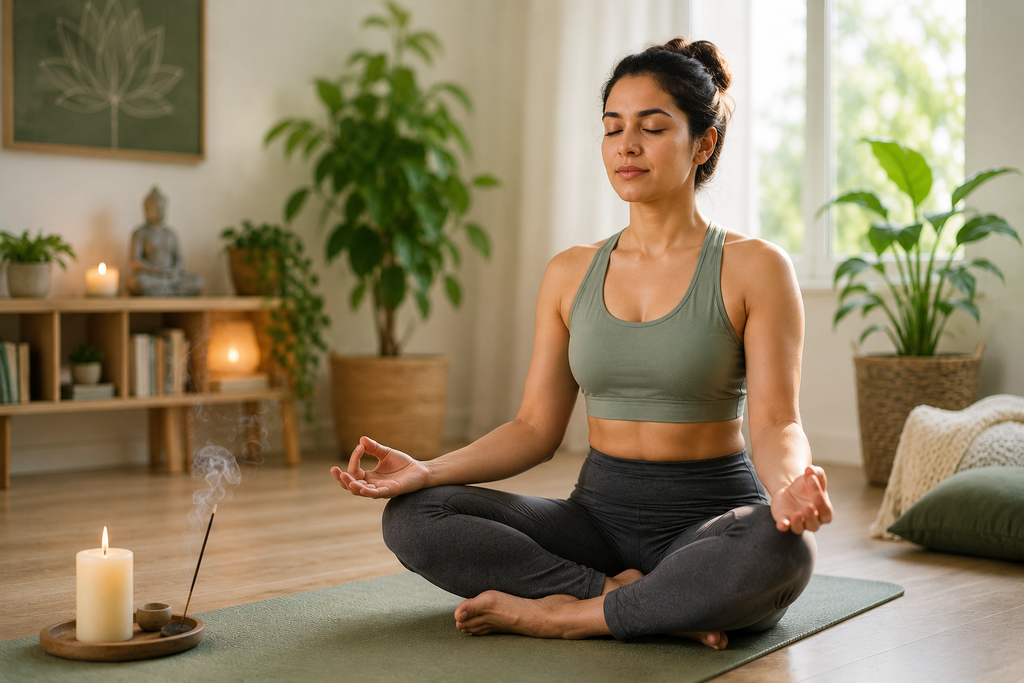
Yoga and Meditation
Yoga and meditation improve both physical and mental well-being:
- Yoga: Enhances flexibility, strength, and balance while reducing stress. Styles include Hatha, Vinyasa, and Power Yoga.
- Meditation: Helps with relaxation, mindfulness, and mental clarity. Practicing even 10 minutes a day can significantly reduce stress levels.
- Combining Both: Many fitness routines integrate yoga and meditation for a holistic approach to health.
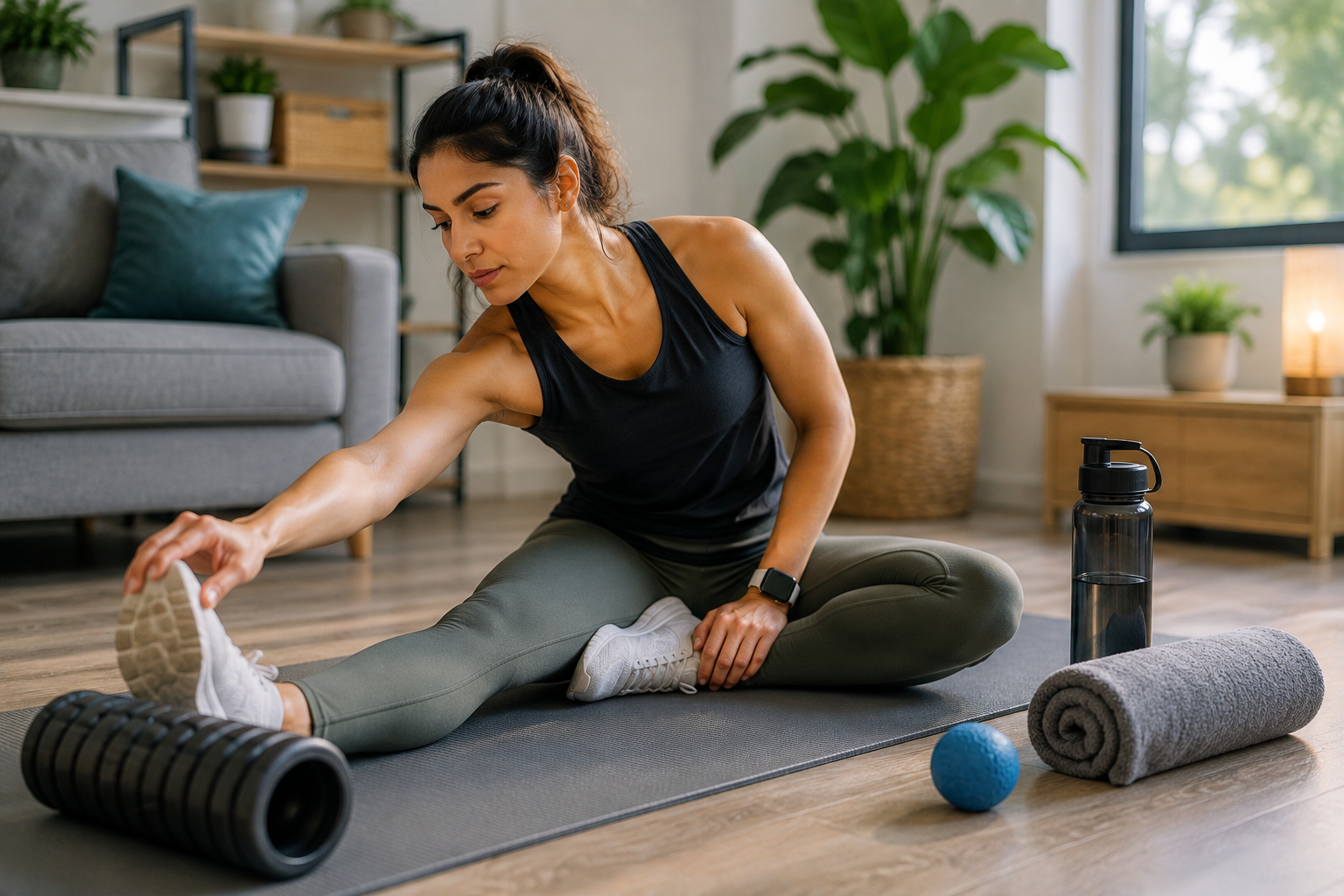
Workout Recovery and Injury Prevention
Recovery is just as important as the workout itself. Key practices include:
- Stretching: Helps maintain flexibility and prevent stiffness.
- Hydration: Drinking enough water aids muscle function and reduces cramping.
- Rest Days: Essential for muscle recovery and injury prevention.
- Foam Rolling: Reduces soreness and improves mobility.
- Proper Form: Ensuring correct exercise technique prevents strain and long-term injuries.
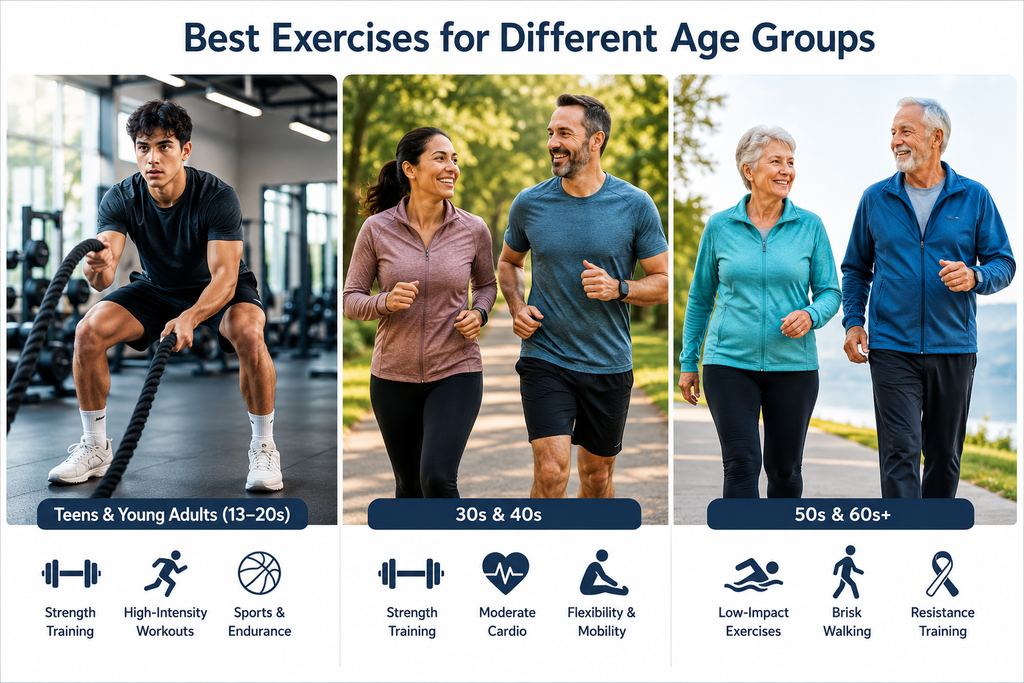
Best Exercises for Different Age Groups
Fitness needs change with age, and workouts should be tailored accordingly:
- Teens & Young Adults: High-intensity workouts, strength training, and sports activities for endurance and muscle building.
- 30s & 40s: A mix of strength training, moderate cardio, and flexibility exercises to maintain metabolism and mobility.
- 50s & 60s: Low-impact exercises like swimming, brisk walking, and resistance band workouts to protect joints and maintain strength.
- Seniors (70+): Light strength training, stretching, balance exercises, and chair yoga to support mobility and prevent falls.
Conclusion
Fitness and exercise are essential for physical and mental well-being. By incorporating strength training, cardio, yoga, and proper recovery techniques, individuals can build a sustainable and effective fitness routine. Tailoring workouts to different age groups ensures long-term health benefits and improved quality of life.